Selecting Functional and Beautiful Furniture for Your Space
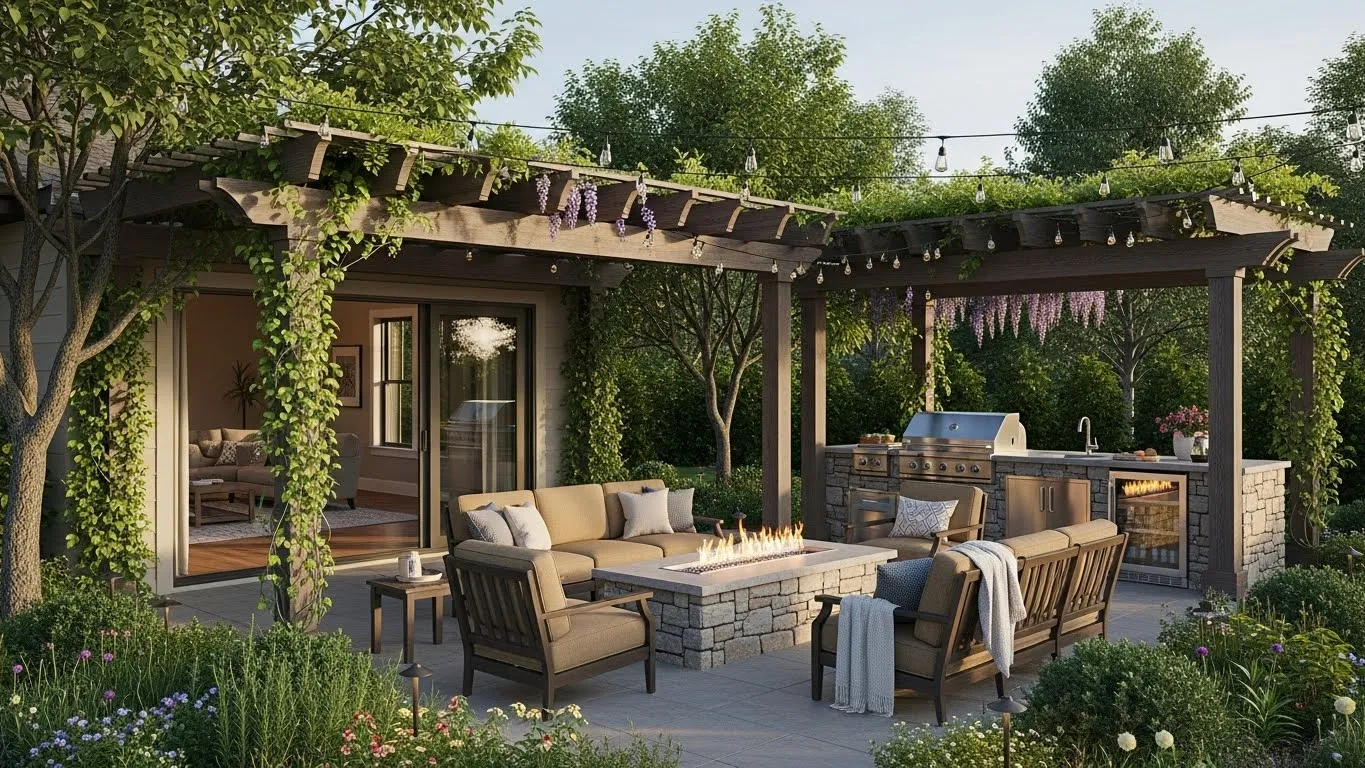
Selecting Functional and Beautiful Furniture for Your Space: A Comprehensive Guide
Creating a home that is both aesthetically pleasing and highly practical often hinges on the furniture you choose. It's a delicate balance, ensuring your pieces serve a purpose without sacrificing style, and vice versa. This guide delves into how to navigate the vast world of furniture selection, focusing on achieving that perfect blend of functionality and beauty for your unique space. We’ll explore how to assess your needs, understand materials, and make choices that enhance both your daily life and your home’s overall appeal.
Key Points:
- Assess Your Lifestyle: Consider how you use your space daily.
- Prioritize Durability: Invest in quality materials for longevity.
- Measure Twice, Buy Once: Ensure pieces fit your room dimensions.
- Balance Form and Function: Seek furniture that excels in both areas.
- Reflect Your Personal Style: Choose pieces that resonate with you.
Understanding Your Space and Needs
Before you even begin browsing showrooms or online catalogs, the most crucial step is a thorough assessment of your existing space and your lifestyle needs. This foundational step is essential for selecting functional and beautiful furniture for your space. Without it, you risk making impulse buys that don't serve you well in the long run.
How You Live in Your Home
Think about the primary activities that take place in each room. Is the living room a hub for family movie nights, or is it more of a quiet retreat for reading? Does your dining area host frequent dinner parties, or is it primarily used for quick weeknight meals? Understanding these usage patterns will inform the type of furniture you need. For example, a family with young children might prioritize durable, easy-to-clean fabrics and furniture with rounded edges. A minimalist seeking tranquility might opt for sleek, low-profile pieces.
- Identify High-Traffic Areas: These require more robust and easily maintained furniture.
- Consider Storage Needs: Do you need ample storage for books, media, or everyday items?
- Evaluate Room Dimensions: Accurate measurements are critical to avoid overcrowding or under-furnishing a space.
The Importance of Scale and Proportion
One of the most common mistakes people make is choosing furniture that is either too large or too small for their room. Furniture that is too big can make a room feel cramped and oppressive, while pieces that are too small can make the space feel empty and unfinished.
- Measure Your Room: Note down the length, width, and height of each room you plan to furnish.
- Sketch a Floor Plan: This can be a simple hand-drawn sketch or a digital layout. Place your proposed furniture pieces on the plan to visualize their placement and scale.
- Consider Traffic Flow: Ensure there is adequate space to move freely between furniture pieces and around the room. A good rule of thumb is to leave at least 30-36 inches for major walkways.
The Dual Pillars: Functionality and Beauty
Achieving the perfect balance between functionality and beauty is the art of interior design. These two aspects are not mutually exclusive; in fact, well-designed furniture often excels in both.
What Makes Furniture Functional?
Functionality refers to how well a piece of furniture serves its intended purpose and integrates into your daily life. This can include:
- Comfort: Is the sofa comfortable to sit on for extended periods? Are the dining chairs ergonomically sound?
- Durability: Is the furniture built to withstand daily use? This involves the quality of the materials and construction.
- Storage Solutions: Many pieces, like ottomans with hidden compartments or dining tables with extending leaves, offer practical storage or adaptability.
- Ease of Maintenance: Furniture that is easy to clean and maintain will look good for longer and require less effort from you.
- Adaptability: Can the furniture serve multiple purposes? A futon can be a sofa and a bed, for example.
What Makes Furniture Beautiful?
Beauty in furniture is subjective and tied to aesthetics, design, and personal style. It encompasses:
- Aesthetics and Design: This includes the overall shape, lines, and silhouette of the piece. Is it modern, traditional, minimalist, or eclectic?
- Material Quality and Finish: The texture, sheen, and look of materials like wood, metal, fabric, and leather contribute significantly to a piece's visual appeal.
- Color and Pattern: These elements can add personality and character to a room, either as a subtle accent or a bold statement.
- Craftsmanship: Well-executed joinery, attention to detail, and high-quality finishes speak volumes about a piece’s inherent beauty.
- Personal Connection: Ultimately, beautiful furniture is that which resonates with you and contributes to a sense of home.
Material Matters: Durability Meets Design
The materials used in furniture construction have a profound impact on both its functionality and its aesthetic appeal, as well as its longevity. Making informed choices here is key to selecting functional and beautiful furniture for your space that stands the test of time.
Wood Furniture: Timeless Appeal
Wood is a classic choice, offering warmth, durability, and a wide range of aesthetic possibilities.
- Hardwoods (Oak, Maple, Cherry, Walnut): These are generally more durable and resistant to dents and scratches. They are excellent for high-use items like dining tables and bed frames. According to a 2024 report by the Forest Products Association, sustainably sourced hardwood furniture can be a long-lasting and environmentally conscious choice.
- Softwoods (Pine, Fir): While more affordable, softwoods are more prone to dents and scratches. They are suitable for less trafficked areas or for pieces where a more rustic or distressed look is desired.
- Veneers and Engineered Woods: These can offer a more budget-friendly way to achieve the look of solid wood, but their durability can vary. High-quality veneers can be very durable, while low-quality engineered wood might chip or delaminate over time.
Upholstered Furniture: Comfort and Style
Upholstery adds comfort and visual interest to pieces like sofas, chairs, and ottomans.
- Fabric Types:
- Leather: Durable, easy to clean, and develops a beautiful patina over time. It’s a great choice for high-traffic areas.
- Cotton and Linen: Natural fibers that are breathable and comfortable, but can be prone to staining and wrinkling.
- Synthetics (Polyester, Nylon, Olefin): Often more durable, stain-resistant, and fade-resistant than natural fibers, making them ideal for busy households.
- Performance Fabrics: These are specifically engineered for extreme durability, stain resistance, and ease of cleaning, making them a top choice for selecting functional and beautiful furniture for your space in active homes.
- Fillings: Look for high-density foam or down-blend fillings for comfort and longevity.
Metal and Glass: Modern Touches
Metal and glass can add a contemporary or industrial edge to furniture.
- Metals (Steel, Aluminum, Wrought Iron): Known for their strength and durability. Finishes can range from polished chrome to matte black, offering diverse aesthetic options.
- Glass (Tempered): Used for tabletops and shelves, tempered glass is safer and more durable than regular glass. It can create a sense of openness and lightness.
Beyond the Basics: Unique Considerations for Your Space
To truly elevate your interior, consider these additional factors when making furniture selections. These can provide differentiated value and ensure your choices are both practical and impactful.
Multifunctional Furniture: Maximizing Utility
In smaller spaces, or for those who value versatility, multifunctional furniture is a game-changer.
- Sofa Beds and Futons: Essential for guest rooms or studios, providing seating and sleeping solutions.
- Storage Ottomans and Benches: Offer hidden storage for blankets, toys, or magazines while also serving as seating or footrests.
- Nesting Tables: These can be spread out when extra surfaces are needed and neatly tucked away to save space.
- Wall-Mounted Desks and Shelving: Frees up floor space and provides integrated storage and work surfaces.
Sustainable and Ethical Furniture Choices
Increasingly, consumers are seeking furniture that is not only beautiful and functional but also produced with environmental and ethical considerations in mind.
- Recycled and Reclaimed Materials: Furniture made from recycled plastics, metals, or reclaimed wood gives new life to old materials.
- Certified Sustainable Wood: Look for certifications like FSC (Forest Stewardship Council) which ensure wood comes from responsibly managed forests.
- Low-VOC Finishes: Volatile Organic Compounds (VOCs) can be harmful to indoor air quality. Opt for furniture with low-VOC or zero-VOC finishes.
- Ethical Manufacturing: Research brands that prioritize fair labor practices and transparent supply chains. As highlighted by the 2025 Green Building Council report, consumer demand for sustainable options is a significant driver in the furniture industry.
Integrating Lighting with Furniture Selection
While this category focuses on lighting, it's crucial to note how furniture choices directly impact lighting design and fixture selection. The placement and type of furniture can dictate where you need light and what style of fixtures will best complement the space.
- Ambient Lighting: Larger furniture pieces can define zones that require general illumination.
- Task Lighting: The height of your desk, reading chair, or kitchen counter will influence the type and placement of task lighting (e.g., desk lamps, pendant lights over an island).
- Accent Lighting: Consider how furniture will be highlighted. A striking sculpture on a console table might benefit from a focused spotlight.
- Dimmer Switches: Essential for creating mood and adapting lighting to different furniture arrangements and activities.
Frequently Asked Questions (FAQ)
Q1: How can I ensure my furniture is both stylish and durable? A: Prioritize quality materials like solid hardwoods, high-performance fabrics, or genuine leather. Look for reputable brands known for good craftsmanship. Consider how the furniture will be used daily and choose materials that can withstand that wear and tear while also fitting your desired aesthetic.
Q2: What's the best way to measure my space before buying furniture? A: Measure the length, width, and height of the room. Then, measure the intended placement area for each piece, accounting for doorways, windows, and existing architectural features. Create a floor plan to visualize how furniture will fit and allow for adequate traffic flow.
Q3: Are expensive furniture pieces always better? A: Not necessarily. While quality often correlates with price, it's more about understanding the materials, construction, and brand reputation. Sometimes, a well-made, moderately priced piece can outlast a poorly constructed expensive one. Focus on value and long-term satisfaction rather than just the price tag.
Q4: How do I choose furniture that won't go out of style quickly? A: Opt for classic silhouettes and neutral color palettes for larger, investment pieces like sofas and dining tables. You can then introduce trends and personality through smaller accessories, accent chairs, or decorative items that are easier and less expensive to update.
Conclusion and Next Steps
Selecting functional and beautiful furniture for your space is a rewarding process that transforms a house into a home. By carefully assessing your needs, understanding materials, and considering the interplay between form and function, you can make choices that enhance your lifestyle and bring lasting joy. Remember, furniture is an investment in your daily comfort and well-being.
Ready to find the perfect pieces?
- Take Measurements: Arm yourself with the exact dimensions of your space.
- Create a Mood Board: Collect images of furniture and styles you love.
- Visit Showrooms: Experience furniture firsthand to assess comfort and quality.
- Read Reviews: See what other consumers say about durability and satisfaction.
For more insights into creating a cohesive living environment, explore our related articles on color psychology in interior design and optimizing natural light in your home.
We’d love to hear your thoughts! Share your favorite tips for selecting furniture in the comments below, or subscribe to our newsletter for more home design inspiration and expert advice.