Room Planning Essentials: Designing a Beautiful and Practical Space
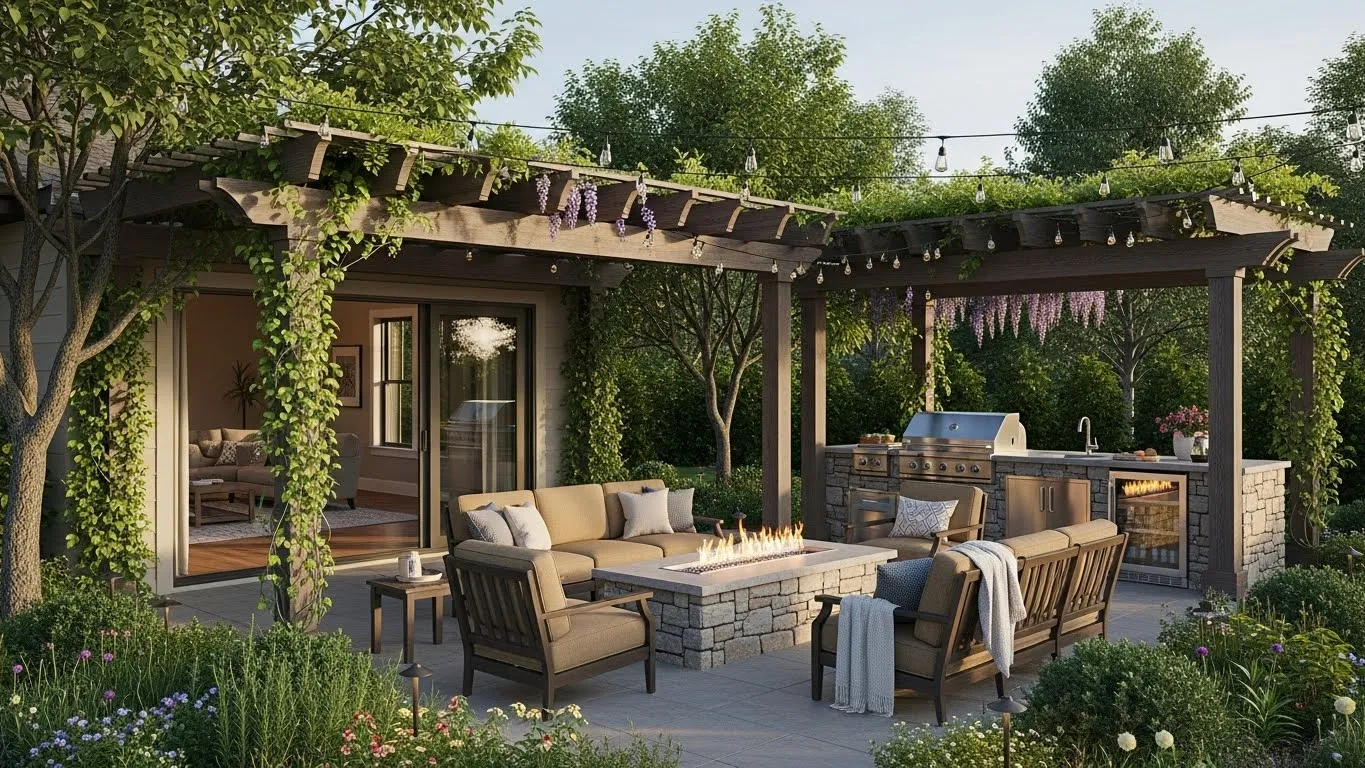
Room Planning Essentials: Designing a Beautiful and Practical Space
Embarking on a room transformation can feel daunting, but with the right room planning essentials, you can create spaces that are both stunning and highly functional. This guide delves into the core principles of designing a beautiful and practical space, ensuring every corner of your home serves its purpose while reflecting your personal style. From initial concept to final touches, mastering these essentials will empower you to craft environments that enhance daily living and stand the test of time. We'll explore strategies for optimizing layouts, selecting the right furnishings, and infusing personality, making the design process enjoyable and rewarding.
Key Points:
- Define Purpose: Clearly identify the function of each room.
- Measure Accurately: Precision is crucial for effective layouts.
- Optimize Flow: Ensure easy movement and logical arrangement.
- Balance Aesthetics & Function: Combine beauty with practicality.
- Personalize Thoughtfully: Infuse your unique style into the design.
Understanding Your Needs: The Foundation of Effective Room Planning
Successful room planning essentials begin with a deep understanding of how you intend to use a space. Without a clear vision, even the most beautiful elements can fall short of creating a truly practical environment. This foundational step ensures that every design decision supports your lifestyle and enhances the room's primary function.
Defining Room Purpose and Functionality
Before moving a single piece of furniture or choosing a paint color, ask yourself: What is the primary purpose of this room? Is it a tranquil bedroom, a bustling home office, or a vibrant family living area? Each function dictates different requirements for layout, furniture, and atmosphere. Consider secondary uses as well, such as a living room that also serves as an occasional guest space.
- Identify Core Activities: List all activities that will regularly occur in the room.
- Consider User Needs: Who will use this space, and what are their specific requirements?
- Prioritize Functions: Determine which functions are most important to accommodate.
Assessing Current Space and Future Goals
Take stock of your existing room. What works well, and what are the current challenges? Perhaps a lack of natural light, an awkward corner, or insufficient storage. Document these observations. Think about your future needs too; will your family grow, or will your work-from-home habits change? Incorporating flexibility into your design now can save significant effort later. This forward-thinking approach is a critical aspect of designing practical spaces.
Essential Steps for Designing a Functional Home Layout
Once you've defined your needs, the next phase involves translating those insights into a tangible layout. This is where the room planning essentials truly come into play, focusing on precision and smart arrangement to create a functional home layout.
Taking Accurate Measurements and Creating Floor Plans
Precision is paramount in room planning. Accurate measurements of your room's dimensions, including walls, windows, doors, and any architectural features, are non-negotiable. These measurements form the basis for your floor plan, allowing you to experiment with furniture placement without physically moving heavy items. Many free online tools and apps can help you create digital floor plans.
- Measure Everything: Walls, windows (height and width), doors, outlets, and permanent fixtures.
- Sketch to Scale: Draw a basic floor plan on graph paper or use digital software.
- Utilize Modern Tools: According to a 2024 report by the Interior Design Institute on technological advancements in design, AI-powered layout tools are becoming increasingly sophisticated, offering initial draft layouts based on room dimensions and desired functions, significantly streamlining the early planning stages.
Optimizing Furniture Arrangement and Flow
Furniture arrangement is about more than just filling a space; it's about creating clear traffic patterns and defining functional zones. Ensure there's ample space to move comfortably between pieces. Identify a focal point in the room, such as a fireplace, a window with a view, or a media console, and arrange furniture to complement it. Consider the scale of your furniture relative to the room size; oversized pieces can overwhelm a small room, while too many small items can make a large room feel cluttered. From an experiential standpoint, I've found that allowing at least 3 feet for main pathways prevents bottlenecks and enhances the overall user experience. Readers interested in specific furniture types or storage hacks can browse our extensive collection of articles on home furnishings.
Mastering Lighting and Color Schemes
Lighting and color are powerful tools in designing a beautiful space. They influence mood, perception of size, and overall ambiance. Aim for a layered lighting approach, combining ambient (general), task (for specific activities), and accent (to highlight features) lighting. Color schemes should reflect the room's purpose and your personal taste, while also considering how colors interact with natural light throughout the day. A 2025 survey by Home & Garden magazine revealed that warm, earthy tones continue to dominate preferences for living spaces, promoting a sense of calm and connection to nature. For more insights into optimizing small spaces, consider reading our articles on compact living solutions.
Incorporating Aesthetics and Practicality: Beyond the Basics
With the foundational layout in place, it's time to refine your design, ensuring that every element contributes to both beauty and practicality. This stage elevates your space from merely functional to truly inspiring.
Smart Storage Solutions for Every Room
Effective storage is a cornerstone of a practical space. Clutter can quickly diminish the beauty and usability of any room. Think vertically with shelves and tall cabinets, and consider multi-functional furniture like ottomans with hidden