Lighting Design Essentials: Enhancing Atmosphere in Your Home
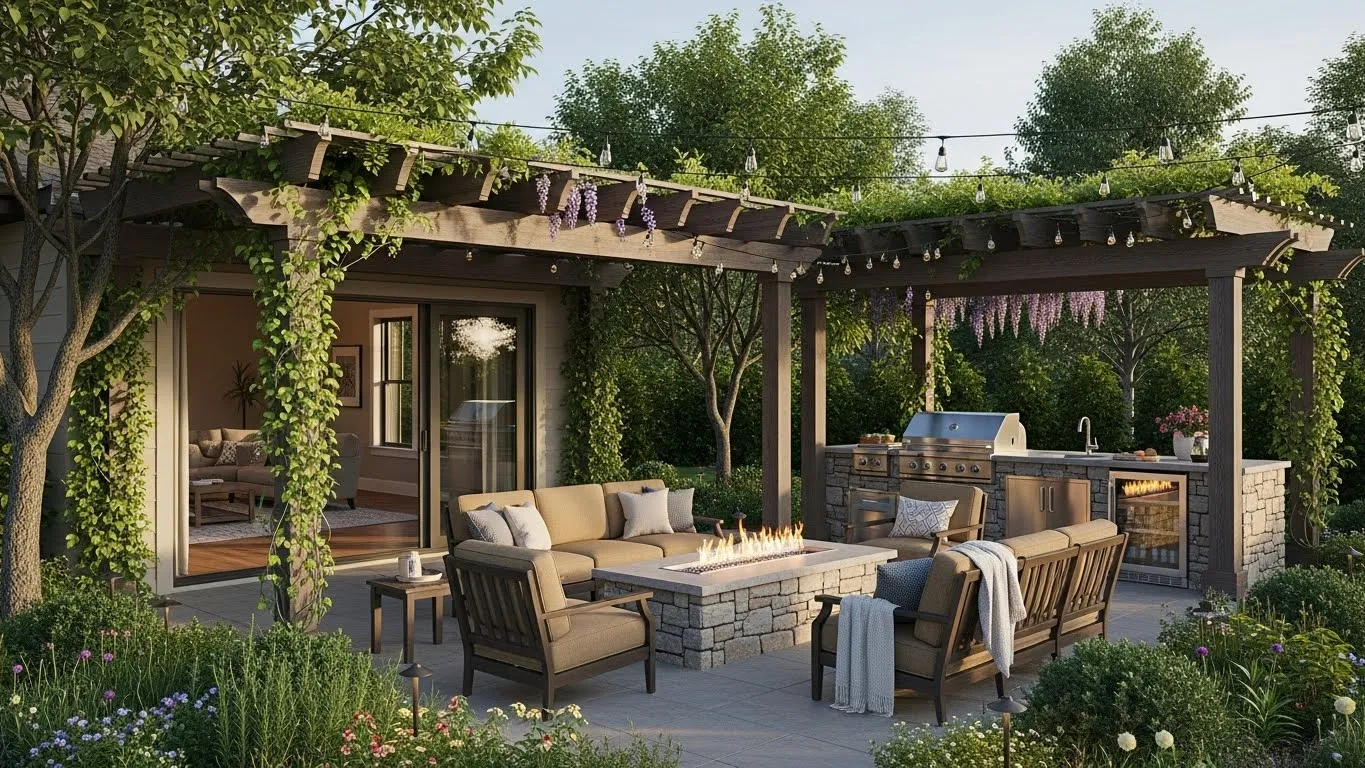
Transforming your living space is often about more than just paint colors and furniture. One of the most powerful, yet often overlooked, elements is lighting design. Strategic illumination can dramatically alter the mood, functionality, and aesthetic appeal of any room, and even your outdoor areas. This guide delves into the essential principles of lighting design, helping you understand how to effectively enhance the atmosphere in your home. Mastering these concepts will allow you to create spaces that are not only beautiful but also perfectly suited to your lifestyle.
This article will cover:
- Key Points:
- Understanding the different layers of lighting.
- Choosing the right light temperature for various moods.
- The importance of dimmers and smart lighting controls.
- Designing for both indoor and outdoor spaces.
- Leveraging lighting to create focal points and ambiance.
The Foundation of Lighting Design: Layers of Light
Effective lighting design is built upon a foundational understanding of the three primary layers of light. Each layer serves a distinct purpose, and their combination creates a balanced and inviting environment. Neglecting one layer can result in a space that feels either too stark or too dim, failing to achieve its full atmospheric potential.
Ambient Lighting: The General Glow
Ambient lighting, also known as general lighting, is the foundation of any lighting scheme. Its primary purpose is to provide overall illumination, allowing you to navigate your space safely and comfortably. Think of it as the soft, diffused light that fills a room.
- Purpose: To provide a comfortable baseline of light.
- Examples: Ceiling fixtures like flush mounts or chandeliers, recessed lighting, and large floor lamps.
- Impact: When done well, ambient lighting creates a welcoming and accessible atmosphere without being overly bright. Overly harsh ambient light can feel sterile, while too little can make a space feel unwelcoming.
Task Lighting: Illuminating Activities
Task lighting is designed to illuminate specific areas where you perform activities, such as reading, cooking, or working. This focused light ensures that you have sufficient brightness for detailed work, reducing eye strain and improving efficiency.
- Purpose: To provide direct light for focused activities.
- Examples: Under-cabinet lights in the kitchen, desk lamps in an office, reading lamps beside a sofa or bed, and pendant lights over a kitchen island.
- Impact: Proper task lighting makes your home more functional. Without it, you might find yourself squinting or struggling to see clearly during everyday chores or hobbies.
Accent Lighting: Creating Drama and Focus
Accent lighting is used to draw attention to specific architectural features, artwork, or decorative objects. It adds depth, dimension, and visual interest to a room, creating a more dynamic and sophisticated atmosphere. This is where you can truly express your personal style and highlight what makes your home unique.
- Purpose: To highlight points of interest and add visual drama.
- Examples: Track lighting aimed at artwork, picture lights, uplighting on plants or architectural details, and spotlights.
- Impact: Accent lighting can transform a room from ordinary to extraordinary by creating focal points and adding a sense of luxury. It plays a crucial role in enhancing atmosphere in your home through visual storytelling.
The Art of Color Temperature: Setting the Mood
Beyond brightness, the color of light plays a significant role in shaping the atmosphere of a space. Light color temperature is measured in Kelvin (K), with lower numbers indicating warmer, more yellow light, and higher numbers indicating cooler, bluer light. Choosing the right color temperature is crucial for achieving the desired mood.
Warm White (2700K - 3000K)
This is the most common and popular color temperature for residential spaces. It mimics the warm, inviting glow of incandescent bulbs, promoting relaxation and comfort.
- Best for: Living rooms, bedrooms, dining rooms, and any area where a cozy and intimate atmosphere is desired.
- Impact: Creates a welcoming and serene environment.
Cool White/Bright White (3500K - 4100K)
This temperature range offers a more neutral, crisp light. It’s brighter and can feel more energizing than warm white.
- Best for: Kitchens, bathrooms, home offices, and garages where clarity and focus are important for tasks.
- Impact: Promotes alertness and is ideal for task lighting design.
Daylight (5000K - 6500K)
Daylight bulbs produce a bright, bluish-white light that closely resembles natural daylight. This can be very energizing but may feel too sterile for relaxation areas.
- Best for: Areas where maximum visibility is needed, such as workshops, basements, or for specific task lighting needs where color rendering is critical.
- Impact: Excellent for functional lighting solutions and task-oriented areas.
Dimmers and Smart Lighting: Unlocking Flexibility
The ability to control the intensity and even the color of your lighting is paramount to flexible and effective lighting design essentials. Dimmers and smart lighting systems offer unparalleled control, allowing you to adapt your lighting to suit different times of day, activities, and moods.
The Power of Dimmers
Dimmers allow you to adjust the brightness of light fixtures. This simple addition can transform a space.
- Benefits:
- Mood Setting: Easily create a romantic, relaxed, or energetic ambiance by adjusting brightness.
- Energy Saving: Dimming lights reduces energy consumption.
- Extending Bulb Life: Lowering the light output can prolong the lifespan of certain bulbs.
Embracing Smart Lighting
Smart lighting systems offer advanced control through apps, voice commands, or automated schedules. This technology opens up a world of possibilities for enhancing atmosphere in your home.
- Features:
- Remote Control: Adjust lights from anywhere.
- Scheduling: Set lights to turn on or off at specific times.
- Color Changing: Some systems allow you to change the color of the light, offering even more atmospheric options.
- Scene Creation: Design custom lighting "scenes" for different activities (e.g., "Movie Night," "Dinner Party," "Reading").
- Integration: Connect with other smart home devices for seamless automation.
Outdoor Lighting Design: Extending Your Living Space
The principles of good lighting design don't stop at your doorstep. Extending your living space outdoors with thoughtful lighting can transform patios, decks, and gardens into inviting and functional areas for entertaining or relaxation. This is a key aspect of modern outdoor living and patio design.
Functional Outdoor Lighting
Just like indoors, outdoor spaces benefit from functional lighting. This includes ensuring safe passage and visibility.
- Pathways: Use low-level bollard lights or in-ground fixtures to illuminate garden paths and walkways.
- Stairs: Step lights or subtle lighting along stair edges are essential for safety.
- Entrances: Welcoming lights at your front door and garage enhance security and curb appeal.
Ambiance and Accent Outdoor Lighting
Outdoor accent lighting can create a magical atmosphere, making your evenings outdoors as enjoyable as your days.
- Deck and Patio Lighting: Consider string lights for a festive feel, or downlights from pergolas for a soft glow. Uplighting trees or architectural features can add drama.
- Garden Lighting: Spotlights on plants, water features, or sculptures can turn your garden into a nighttime spectacle.
- Bug Lights: Consider insect-repelling lights or strategic placement to minimize annoyance.
Creating Focal Points and Ambiance
Lighting is a powerful tool for directing attention and shaping the overall feel of a room. By strategically using different types of fixtures and varying light levels, you can create captivating spaces.
Highlighting Artwork and Features
- Picture Lights: Specifically designed to illuminate artwork without casting shadows.
- Track Lighting: Adjustable heads allow you to direct beams precisely where needed, perfect for accentuating wall displays or architectural details.
- Uplighting: Placing lights at the base of plants, columns, or textured walls creates dramatic shadows and highlights their form.
Ambient Glow for Relaxation
- Layering: Combine ambient, task, and accent lighting. For example, dim ambient ceiling lights, use a reading lamp for task lighting, and accent a fireplace with subtle uplighting.
- Soft Diffused Light: Use lampshades, frosted glass fixtures, or cove lighting to create softer, more spread-out illumination that reduces harshness.
- Candlelight Effect: Many LED bulbs and fixtures now offer a "candlelight" setting that mimics the flicker and warmth of real candles, ideal for dining or intimate settings.
Differentiated Value: Beyond the Basics
While ambient, task, and accent lighting form the core, several advanced considerations can truly elevate your home's atmosphere and align with current trends.
Differentiated Insight 1: The Emotional Impact of Color Rendering Index (CRI)
Beyond color temperature, the Color Rendering Index (CRI) is a crucial, yet often overlooked, metric. CRI measures how accurately a light source reveals the true colors of objects compared to natural daylight. A high CRI (90+) ensures that colors in your home, from artwork to furnishings, appear vibrant and true to life. Using low-CRI bulbs can make your space feel dull and muted, even with perfect placement. Industry research from the Illuminating Engineering Society (IES) in 2024 emphasizes the growing importance of high CRI for creating aesthetically pleasing and color-accurate environments.
Differentiated Insight 2: Dynamic Lighting for Circadian Rhythms
Modern lighting design is increasingly focused on human well-being, particularly how light affects our internal body clocks (circadian rhythms). Dynamic lighting systems can automatically adjust color temperature and intensity throughout the day. They can provide brighter, cooler light in the morning to promote alertness and gradually shift to warmer, dimmer light in the evening to encourage relaxation and better sleep. This trend leverages technology not just for aesthetics but for health-enhancing lighting design. Experts from the National Sleep Foundation highlighted in their 2025 review the profound impact of light exposure on sleep quality and daily energy levels, advocating for adaptive lighting solutions.
Frequently Asked Questions (FAQ)
Q1: How many light fixtures do I need in a room? The number depends on the room's size, layout, and your desired lighting effect. A good starting point is to ensure you have at least one ambient, one task, and potentially one accent light source. Consider the function of the room and how light will be layered.
Q2: What is the best color temperature for a living room? For most living rooms, a warm white color temperature (2700K - 3000K) is ideal. This creates a cozy, relaxing, and inviting atmosphere, perfect for unwinding and entertaining guests.
Q3: Can I use the same type of lighting outdoors as indoors? Yes, but outdoor fixtures must be rated for outdoor use to withstand weather conditions. The principles of ambient, task, and accent lighting apply similarly, but the fixtures themselves need to be durable and appropriately sealed.
Q4: What is the most important factor in lighting design? While all elements are important, balance and layering are paramount. The most effective lighting design seamlessly integrates ambient, task, and accent lighting, allowing for flexibility and control to suit different needs and moods, ultimately enhancing atmosphere in your home.
Conclusion and Next Steps
Mastering lighting design essentials is a journey that transforms your house into a home. By understanding the layers of light, the impact of color temperature, and the flexibility offered by modern controls, you can create spaces that are not only beautiful but also deeply functional and emotionally resonant. Thoughtful illumination is one of the most impactful ways to personalize your environment and is critical for both indoor comfort and extending your living spaces outdoors.
To further enhance your understanding and application of these principles:
- Experiment with Dimmers: If you don't have them, consider installing dimmers on your main living area lights. Observe how changing the brightness impacts the room's feel throughout the day.
- Review Your Current Lighting: Walk through your home and assess if each room has adequate ambient, task, and accent lighting. Identify areas that feel too dark, too bright, or lack focus.
- Explore Smart Lighting Options: Research smart bulbs or systems that offer color-changing capabilities or advanced scheduling for greater atmospheric control.
For more insights into creating inviting environments, readers can explore related articles on interior decorating principles and the psychology of color in design. We encourage you to share your own lighting design successes and challenges in the comments below!