Latest Interior Design Trends for a Fresh and Contemporary Home
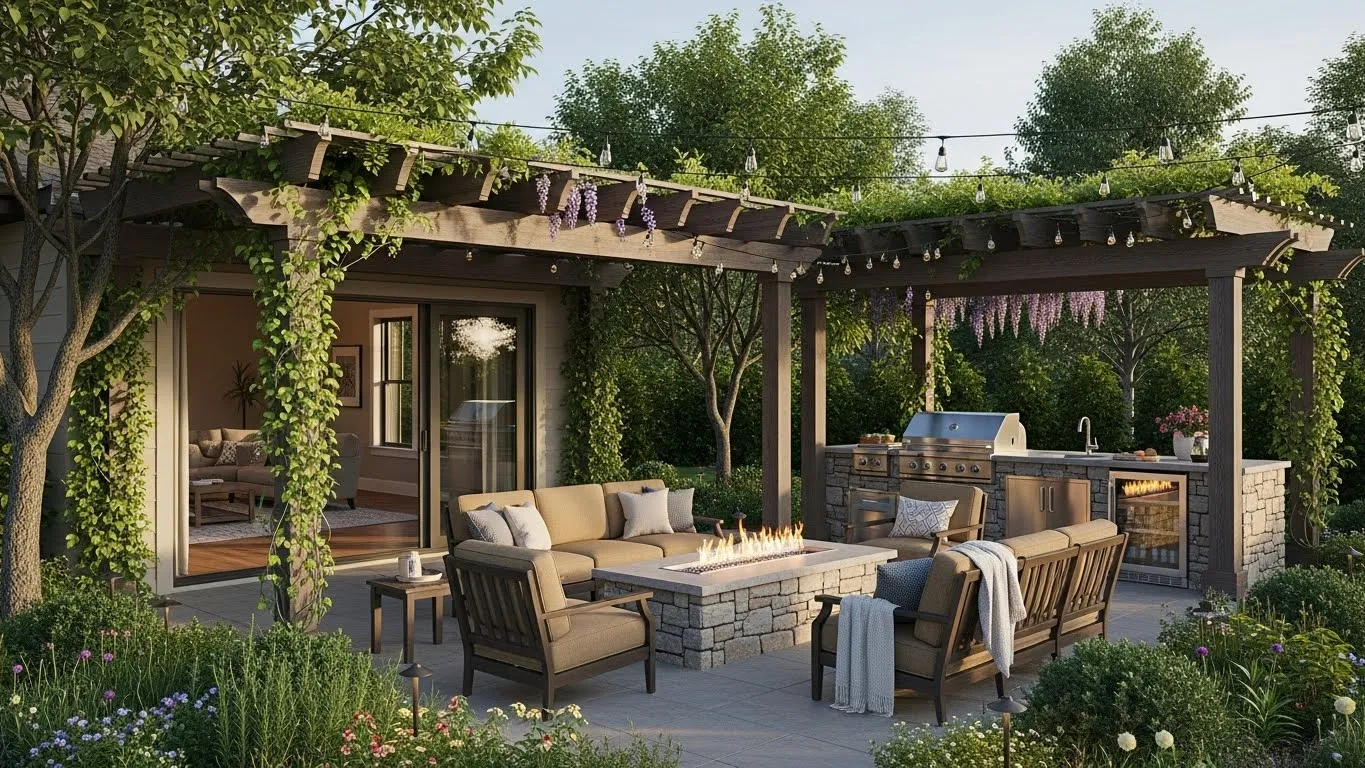
Latest Interior Design Trends for a Fresh and Contemporary Home
The world of interior design is constantly evolving, reflecting shifts in our lifestyles, values, and technological advancements. As we look towards creating spaces that are not only beautiful but also functional and mindful, understanding the latest interior design trends for a fresh and contemporary home becomes essential. This article delves into the most impactful and forward-thinking design movements, with a particular emphasis on sustainability and wellness. Our goal is to inspire you to transform your living spaces into havens of comfort, style, and environmental responsibility, ensuring your home feels both current and timeless.
Key Points:
- Biophilic Design Integration: Bringing nature indoors for enhanced well-being.
- Sustainable Materiality: Prioritizing eco-friendly, recycled, and natural resources.
- Smart Home & Wellness Tech: Seamlessly blending technology for comfort and efficiency.
- Curated Minimalism: Focusing on quality over quantity with intentional design.
- Warm Neutrals & Earth Tones: Creating calming and inviting color palettes.
Embracing Sustainable Interior Design Trends for a Greener Home
The push for sustainability is no longer a niche concept but a core principle in modern interior design. Homeowners are increasingly seeking ways to minimize their environmental footprint while maximizing comfort and style. This involves a holistic approach, from material selection to energy efficiency, shaping the latest interior design trends for a fresh and contemporary home. The focus is on creating spaces that are not only aesthetically pleasing but also contribute positively to the planet and our well-being.
One significant trend is the repurposing and upcycling of furniture. Instead of buying new, designers and homeowners are looking to give existing pieces a second life, reducing waste and adding unique character. This approach aligns perfectly with the principles of a circular economy, where resources are kept in use for as long as possible. For instance, a vintage dresser can be transformed with a fresh coat of low-VOC paint and new hardware, becoming a bespoke statement piece.
The Rise of Biophilic Design and Natural Materials
Biophilic design, which integrates natural elements into the built environment, continues to gain momentum. This trend acknowledges our innate connection to nature and seeks to foster it within our homes. Think large windows framing outdoor views, abundant indoor plants, and the use of natural light. The goal is to create serene, restorative environments that reduce stress and improve overall well-being.
- Indoor Greenery: From large statement plants like Fiddle Leaf Figs and Monsteras to living walls and herb gardens, bringing plants indoors purifies the air and adds vibrant life.
- Natural Textures: Incorporating materials such as rattan, bamboo, cork, and reclaimed wood adds warmth and an organic feel. These materials are often sustainably sourced and offer unique tactile experiences.
- Organic Shapes: Furniture and decor featuring soft, curved lines and organic forms mimic nature, creating a more fluid and harmonious aesthetic.
A 2024 report by the International Federation of Interior Architects/Designers (IFI) highlighted a 35% increase in client requests for biophilic elements in residential projects compared to the previous year, underscoring its growing importance. This data suggests a strong consumer desire for homes that feel connected to the natural world. Readers interested in this topic can explore related articles on creating a calming home environment.
Smart Home Integration and Wellness Technology
Technology is no longer just about convenience; it's about enhancing our well-being and making our homes more efficient. The latest interior design trends for a fresh and contemporary home seamlessly integrate smart home solutions that are intuitive and discreet. This includes automated lighting systems that adjust to circadian rhythms, smart thermostats that optimize energy consumption, and air purification systems that monitor indoor air quality.
For example, smart lighting systems can transition from cool, bright light in the morning to warm, dim light in the evening, supporting natural sleep cycles. Similarly, smart window treatments can automatically adjust to control natural light and temperature, reducing the need for artificial heating or cooling. This blend of design and technology creates a truly responsive and comfortable living space. The integration of wellness technology, such as smart diffusers and soundscapes, further elevates the sensory experience of a contemporary home.
Curated Minimalism and Intentional Living
While minimalism has been a trend for years, it's evolving into a more curated and intentional approach. This isn't about stark, empty spaces but rather about thoughtful selection and appreciation of fewer, higher-quality items. The emphasis is on craftsmanship, durability, and pieces that tell a story or hold sentimental value. This trend encourages decluttering and creating breathing room, allowing each object to shine.
This philosophy extends to furniture choices, favoring versatile, modular pieces that can adapt to changing needs. For instance, a sofa with reconfigurable sections or a dining table that extends can serve multiple functions, reducing the need for excessive furniture. This approach not only creates a more spacious feel but also aligns with sustainable practices by promoting longevity and reducing consumption.
Color Palettes: Warm Neutrals and Earth Tones
The dominant color palettes for a contemporary home are shifting towards warm neutrals, earthy tones, and muted, sophisticated hues. Gone are the days of stark grays; instead, we see a preference for colors that evoke comfort, tranquility, and a connection to nature.
- Soft Beiges and Creams: These provide a soothing backdrop, making spaces feel larger and more inviting.
- Terracotta and Rust: Adding pops of these warm, earthy tones brings depth and a touch of organic richness.
- Sage Green and Dusty Blue: These muted natural shades contribute to a serene atmosphere, reminiscent of landscapes and skies.
- Deep Browns and Charcoals: Used as grounding accents, these colors add sophistication and contrast without overwhelming the space.
According to a recent report by Pantone on emerging color trends for 2025, there's a strong lean towards "comforting and grounding" palettes, reinforcing the move away from overly saturated or cool tones. This trend supports the overall desire for homes that act as sanctuaries from the outside world.
Differentiated Insights: Circular Design and Adaptive Reuse
Beyond the popular trends, two emerging concepts are gaining traction: circular design principles and adaptive reuse. Circular design takes sustainability a step further by ensuring products and materials are designed for longevity, repair, and eventual recycling or composting. This means choosing furniture made from single-material components or with easily replaceable parts, reducing waste throughout its lifecycle. For example, a modular shelving unit made from recycled aluminum can be disassembled and reconfigured or recycled at the end of its life.
Adaptive reuse involves transforming existing structures for new purposes rather than demolishing and rebuilding. This not only preserves architectural heritage but also significantly reduces the environmental impact associated with new construction. Imagine an old factory converted into stylish loft apartments, or a historic barn reimagined as a modern family home. This approach offers unique character and a story that new builds simply cannot replicate, providing a truly fresh and contemporary home aesthetic. A case study from the American Institute of Architects (AIA) in 2023 showcased a former textile mill in North Carolina transformed into a vibrant mixed-use community, demonstrating the economic and environmental benefits of adaptive reuse.
FAQ Section
Q: How can I incorporate sustainable elements into my home on a budget?
A: Integrating sustainable design doesn't require a huge budget. Start with small changes like using LED lighting, choosing low-VOC paints, and incorporating thrifted or upcycled furniture. Prioritize natural ventilation and light to reduce energy consumption. Focus on quality over quantity, investing in durable pieces that will last, reducing the need for frequent replacements.
Q: What are the key benefits of biophilic design for a contemporary home?
A: Biophilic design offers numerous benefits, including improved air quality, reduced stress levels, enhanced mood, and increased cognitive function. By connecting residents with nature, it creates a more calming and restorative environment. This approach also adds visual interest and a sense of freshness, making your home feel more vibrant and alive.
Q: Are smart home technologies truly eco-friendly, or do they consume more energy?
A: When implemented thoughtfully, smart home technologies can significantly enhance eco-friendliness. Smart thermostats, lighting, and appliance controls optimize energy usage by turning off devices when not needed or adjusting to occupancy. While the devices themselves consume some energy, the overall savings from optimized heating, cooling, and lighting often outweigh their consumption, leading to a more efficient home.
Q: How can I ensure my contemporary home design remains timeless amidst changing trends?
A: To achieve a timeless design, focus on foundational elements like quality materials, classic furniture silhouettes, and a neutral color palette for large surfaces. Incorporate trends through easily changeable accessories, textiles, and artwork. Prioritize functionality and comfort, as these aspects never go out of style. A well-designed space that serves your needs will always feel current.
Conclusion: Designing Your Future-Forward Home
Embracing the latest interior design trends for a fresh and contemporary home means looking beyond fleeting fads to create spaces that are truly reflective of modern values: sustainability, well-being,