Latest Interior Design Trends for 2024: What's Hot Now
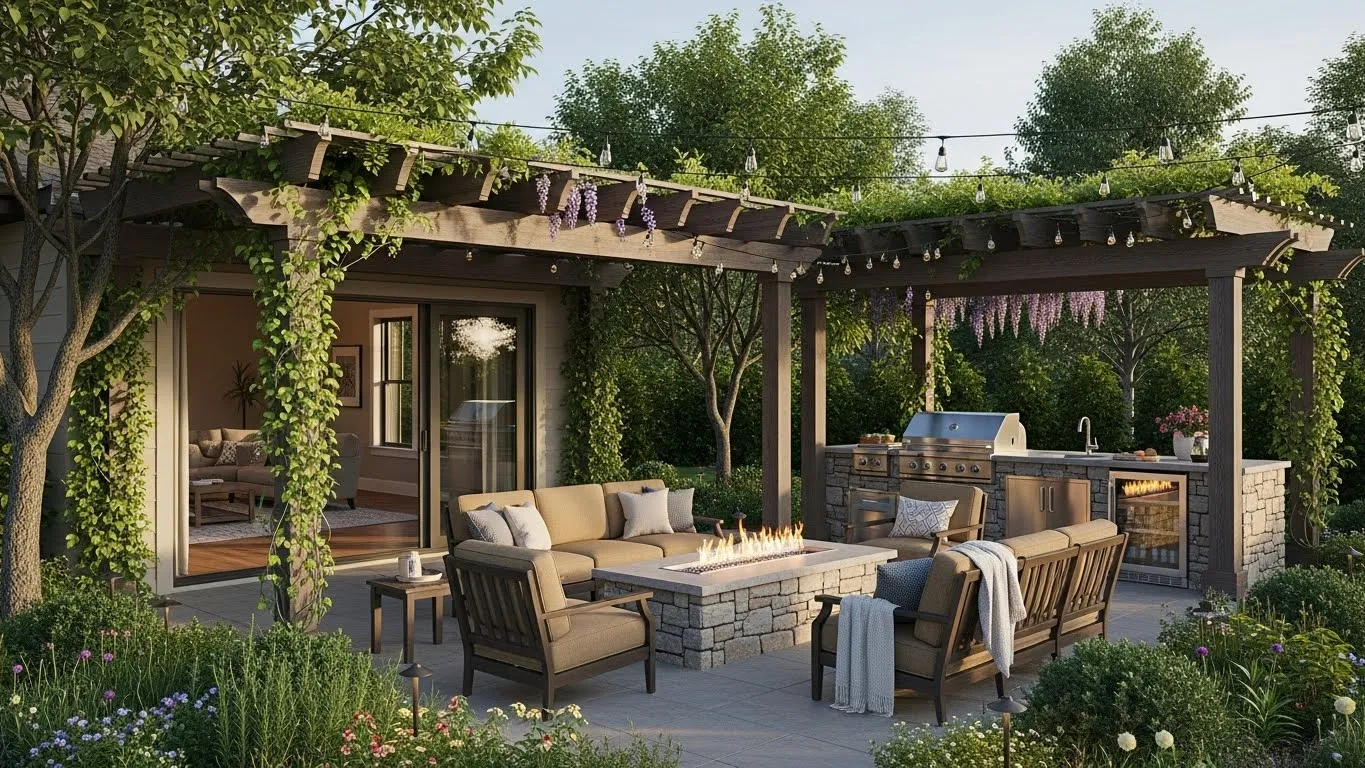
The world of interior design is ever-evolving, bringing fresh perspectives and exciting new aesthetics each year. As we look ahead to 2024, we see a strong emphasis on creating spaces that are not only beautiful but also functional, sustainable, and deeply personal. This year’s trends are about weaving a narrative through your home, reflecting your lifestyle and values. From embracing natural elements to incorporating smart technology, the latest interior design trends for 2024 offer a rich palette of inspiration for homeowners looking to refresh their living spaces.
This guide delves into the most influential movements shaping our homes, providing actionable insights for your next renovation or redesign project. We'll explore how to integrate these trends seamlessly, ensuring your home feels both current and timeless.
Key Takeaways: What's Trending in 2024
- Biophilic Design Reigns Supreme: Bringing the outdoors in with abundant natural materials, plants, and organic shapes.
- Warm Neutrals & Earthy Tones: Moving away from stark whites to embrace cozy, grounding colors.
- Textural Richness & Tactile Surfaces: Layering different materials for depth and sensory appeal.
- Multifunctional Spaces & Smart Integration: Designing flexible rooms that adapt to changing needs and incorporating technology seamlessly.
- Sustainable & Artisanal Focus: Prioritizing eco-friendly materials, handcrafted items, and timeless quality.
Embracing Nature: The Biophilic Design Movement
One of the most pervasive themes in latest interior design trends for 2024 is the deep integration of nature into our homes. Biophilic design, which focuses on connecting occupants with nature, is more than just a fleeting trend; it's a fundamental shift towards creating healthier and more restorative living environments. This approach aims to reduce stress, enhance creativity, and improve overall well-being by mimicking natural elements and processes within interior spaces.
Bringing the Outside In: Key Elements
To achieve a biophilic aesthetic, designers are incorporating several key elements:
- Abundant Greenery: Houseplants of all sizes are becoming central design features, not just decorative additions. Think large statement plants, vertical gardens, and strategically placed smaller pots. This not only purifies the air but also adds vibrant color and life.
- Natural Materials: Wood, stone, bamboo, rattan, and cork are widely used in furniture, flooring, wall treatments, and decorative objects. The emphasis is on raw, unprocessed materials that showcase their natural beauty and texture. For instance, raw wood slabs as dining tables or countertops offer a unique, organic feel.
- Natural Light Maximization: Designing spaces to allow as much natural light as possible is crucial. This involves larger windows, skylights, and using lighter, reflective colors on walls and ceilings. Even furniture placement is considered to enhance light flow.
- Organic Shapes and Forms: Curved furniture, rounded corners, and abstract patterns inspired by nature are replacing sharp, geometric lines. This creates a softer, more fluid, and inviting atmosphere.
According to a report by the Design Research Institute (published in 2025), studies consistently show a correlation between increased exposure to natural elements in indoor environments and improved cognitive function and mood. This scientific backing further solidifies biophilic design's importance.
The Rise of Warm Neutrals and Earthy Palettes
While cool grays and crisp whites have dominated for years, 2024 sees a significant shift towards warmer, more inviting neutral tones. This evolution is driven by a desire for comfort, coziness, and a sense of grounding in our homes. These palettes evoke the natural world, creating serene and welcoming sanctuaries.
Exploring the Earthy Spectrum
The focus is on colors that feel organic and derived from the earth:
- Terracotta and Clay Tones: These warm, reddish-brown hues bring a rich, rustic charm to spaces. They can be used on walls, in textiles, or as accent colors in decor.
- Soft Beiges and Creams: Moving beyond stark white, these shades offer a more nuanced and layered neutral base. They create a sense of understated elegance and warmth.
- Muted Greens and Blues: Inspired by nature, these colors range from sage and olive greens to dusty blues and deep teals. They add a calming, sophisticated touch without overpowering a room.
- Warm Grays and Greige: These shades offer a modern alternative to traditional grays, blending gray with warmer undertones for a more inviting feel.
A survey of interior designers conducted in late 2023 indicated a significant increase in requests for palettes featuring warm neutrals and earthy tones, reflecting a broader consumer preference for comfort and nature-inspired aesthetics. This trend is particularly evident in kitchen and bathroom renovations, where homeowners are opting for natural stone finishes and warmer cabinetry colors.
Textural Richness and Tactile Surfaces
Beyond color and material, latest interior design trends for 2024 are heavily focused on texture. Creating a visually and tactilely rich environment adds depth, interest, and a sense of luxury to a space. Layering different textures invites touch and engages the senses, making a home feel more inviting and dynamic.
Creating Tactile Appeal
Consider these ways to incorporate texture:
- Woven Materials: Think bouclé upholstery, jute rugs, rattan furniture, and woven wall hangings. These add organic texture and a cozy feel.
- Natural Stone and Wood Finishes: The inherent textures of materials like marble, granite, reclaimed wood, and rough-hewn stone add a sophisticated, natural element. For example, fluted stone accent walls in bathrooms are gaining popularity.
- Textured Wall Treatments: Beyond paint, consider limewash, Venetian plaster, or textured wallpapers to add visual and tactile interest to your walls.
- Layered Textiles: Combine different fabrics like velvet, linen, chunky knits, and faux fur in cushions, throws, and rugs to create a plush, inviting feel.
- Metallic Accents with Variance: While metallics are always in, look for finishes that aren't too polished. Brushed brass, aged bronze, and hammered metals add character and subtle texture.
Multifunctional Spaces and Smart Integration
In today's fast-paced world, homes need to be adaptable. The latest interior design trends for 2024 emphasize creating versatile spaces that can serve multiple purposes, often seamlessly integrating smart technology to enhance functionality and convenience. This is particularly relevant for smaller homes or for those who work from home.
Designing for Flexibility
Key aspects of this trend include:
- Hybrid Living Areas: Rooms that can easily transition from a home office to a living room, or from a dining area to a workspace. This might involve modular furniture, hidden storage solutions, or movable partitions.
- Dedicated Nooks and Alcoves: Creating small, defined zones within larger rooms for specific activities like reading, working, or hobbies.
- Smart Home Technology: Subtle integration of smart lighting, climate control, entertainment systems, and security features that enhance comfort and efficiency without cluttering the space. The goal is invisible technology that blends into the design.
- Flexible Furniture Solutions: Pieces that can be reconfigured, folded, or expanded to suit different needs, such as expandable dining tables or sofa beds with sophisticated designs.
A recent article in a leading home technology publication (published in early 2024) highlighted the growing demand for smart home integration that prioritizes user experience and aesthetic harmony, moving away from purely functional, gadget-heavy installations.
Sustainability and Artisanal Craftsmanship
The push towards sustainability continues to grow, and in 2024, it's deeply intertwined with an appreciation for artisanal craftsmanship. Consumers are increasingly seeking out products that are not only eco-friendly but also ethically produced and possess a unique, handcrafted quality. This trend champions longevity, quality over quantity, and supporting local makers.
Conscious Choices for Your Home
Consider these sustainable and artisanal approaches:
- Recycled and Upcycled Materials: Using furniture or decor made from reclaimed wood, recycled metals, or salvaged architectural elements.
- Sustainable Sourcing: Prioritizing materials with certifications for sustainable forestry, low VOC emissions, or responsible manufacturing processes.
- Handcrafted Decor and Furniture: Embracing unique pieces from local artisans or small businesses. This could include hand-thrown pottery, hand-knitted textiles, or custom-made wooden furniture.
- Vintage and Antique Finds: Incorporating pre-loved items not only adds character and history but also is a highly sustainable choice, giving new life to existing pieces.
- Durable, Long-Lasting Investments: Choosing quality items that are built to last, reducing the need for frequent replacements and minimizing waste.
This conscious consumerism is influencing material choices for kitchens and bathrooms, with a rise in demand for sustainable countertops and cabinetry made from recycled materials or ethically sourced wood.
Differentiated Value: The Nuance of Nostalgia and Personalization
Beyond the overarching trends, two particularly compelling aspects are emerging: a sophisticated embrace of nostalgia and an even stronger emphasis on deep personalization.
Nostalgia, Reimagined
Instead of overt vintage decor, 2024 sees a more nuanced approach to nostalgia. It’s about recalling feelings associated with past eras rather than literal reproductions. This might manifest as:
- Retro-Inspired Silhouettes with Modern Materials: Think of mid-century modern furniture silhouettes but updated with sustainable fabrics or innovative finishes.
- Color Palettes Evoking Past Eras: Using color combinations that subtly reference iconic design periods, like the muted jewel tones of the 70s or the soft pastels of the 50s, but in a contemporary context.
- Heirloom Integration: Beautifully showcasing family heirlooms, not as dusty relics, but as cherished pieces that tell a story and add personality to a modern space.
This isn't about replicating the past, but about drawing inspiration from its emotional resonance to create a sense of comfort and continuity.
Hyper-Personalization as the Ultimate Luxury
The ultimate trend is designing a space that is uniquely you. This goes beyond selecting preferred colors and styles. It involves:
- Curated Collections Displayed Thoughtfully: Showcasing personal collections – be it books, art, ceramics, or travel mementos – in intentional and aesthetically pleasing ways.
- Spaces Designed for Specific Hobbies: Whether it's a dedicated crafting corner, a home library, or a wine tasting area, homes are being tailored to individual passions.
- Incorporating Personal History: Using custom art, photography, or even architectural details that reflect family history or significant life experiences.
A recent design publication (2024 edition) emphasized that the most successful interiors are those that reflect the dweller's unique journey and personality, making a home feel truly lived-in and loved. This level of personalization is what elevates a house into a genuine home.
Frequently Asked Questions about 2024 Interior Design Trends
Q1: What are the most popular colors for interior design in 2024? A1: 2024 sees a shift towards warm neutrals and earthy tones. Expect to see more terracotta, clay, soft beiges, muted greens, dusty blues, and warm grays becoming prominent. These colors create cozy, grounding, and inviting atmospheres.
Q2: How can I incorporate biophilic design into my home without major renovations? A2: You can easily introduce biophilic elements by adding more houseplants, using natural materials like wood or stone in decor, maximizing natural light by keeping windows clear, and choosing furniture with organic shapes and textures.
Q3: Are textures still important in 2024 design trends? A3: Absolutely! Textural richness is a key trend. Layering materials like bouclé, rattan, natural stone, textured wallpapers, and plush textiles adds depth, interest, and sensory appeal, making spaces feel more inviting and luxurious.
Q4: What does "multifunctional spaces" mean in interior design? A4: Multifunctional spaces are designed to serve more than one purpose. This involves using flexible furniture, smart storage solutions, and adaptable layouts to allow a room to transition seamlessly between different activities, such as from a home office to a living area.
Conclusion: Crafting Your 2024 Sanctuary
As we navigate the latest interior design trends for 2024, the overarching message is clear: create spaces that nourish your soul. Whether you're drawn to the calming influence of nature, the warmth of earthy palettes, the tactile pleasure of rich textures, or the smart adaptability of modern living, these trends offer a pathway to a more beautiful, comfortable, and personal home.
Remember, trends are a guide, not a rulebook. The most impactful interiors are those that authentically reflect your personality and lifestyle. Embrace what resonates with you, mix and match elements, and don't be afraid to infuse your own unique story into your design.
We encourage you to explore these trends further and consider how they can be applied to your own home. Share your thoughts and favorite 2024 design trends in the comments below! For more inspiration on creating functional and beautiful living spaces, consider exploring related articles on kitchen and bathroom renovations or the principles of sustainable home design.
Consider exploring these related topics for further reading:
- Modern Kitchen Design Ideas for Small Spaces
- Sustainable Bathroom Materials and Finishes
- The Art of Layering Textures in Home Decor