Creating a Cozy and Inviting Atmosphere with Lighting Design
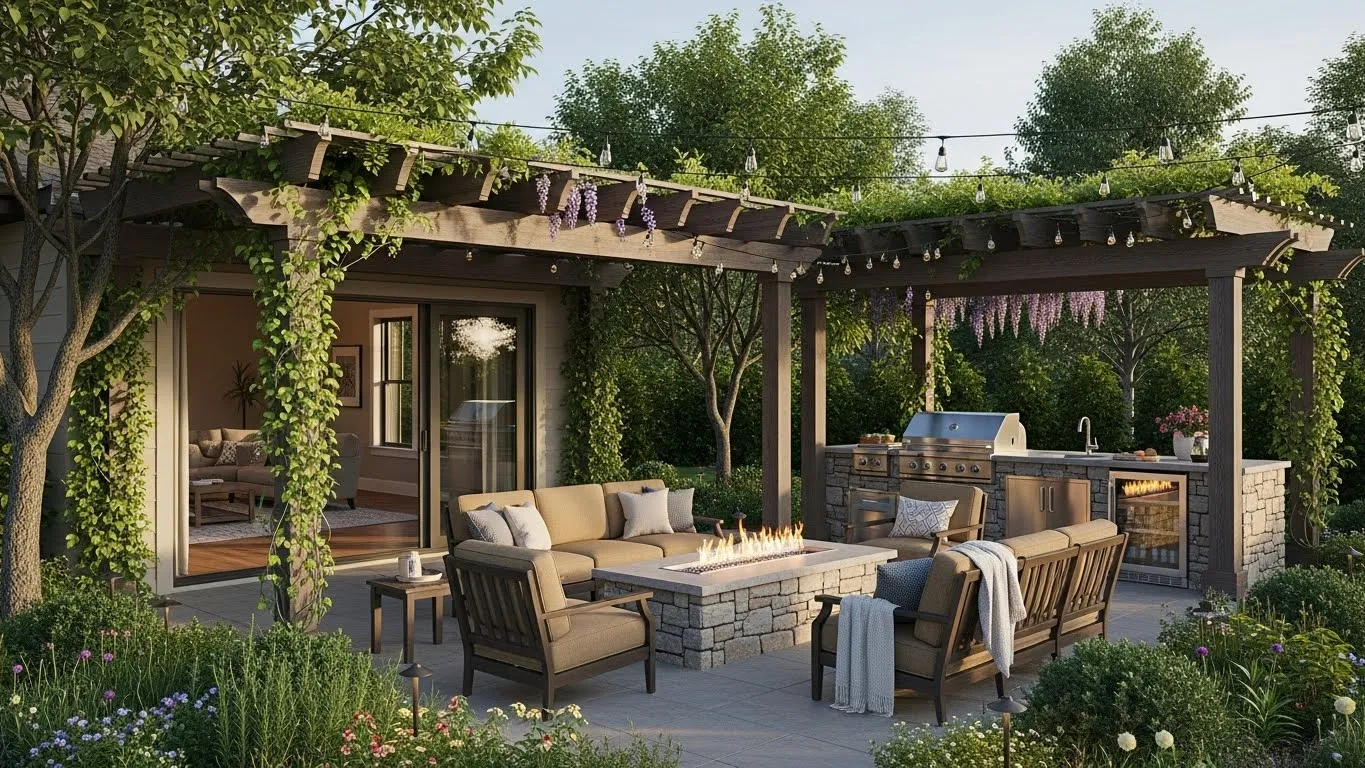
Creating a Cozy and Inviting Atmosphere with Lighting Design
Lighting is more than just illumination; it's a powerful tool for shaping the mood and feel of any space. When done thoughtfully, lighting design can transform a sterile room into a warm, welcoming haven. This article explores how strategic lighting choices can help in creating a cozy and inviting atmosphere with lighting design, making your home feel more comfortable and personalized. From selecting the right color temperature to layering different light sources, we'll delve into practical strategies that elevate your home's ambiance and functionality.
Key Points for Cozy Lighting Design:
- Layered Lighting: Combine ambient, task, and accent lighting for depth.
- Warm Color Temperatures: Opt for bulbs in the 2200K-3000K range.
- Dimmers & Smart Controls: Essential for adjusting brightness and mood.
- Strategic Placement: Highlight architectural features and create focal points.
- Natural Light Integration: Maximize daylight and complement it with artificial sources.
Mastering Layered Lighting for Home Ambiance
The secret to creating a cozy and inviting atmosphere with lighting design lies in the art of layering. Instead of relying on a single overhead fixture, a well-designed space incorporates multiple light sources working in harmony. This approach adds depth, dimension, and flexibility, allowing you to adapt the lighting to various activities and moods.
- Ambient Lighting: This is your general illumination, providing overall brightness. Think recessed lights, ceiling fixtures, or track lighting. Its purpose is to ensure basic visibility and prevent harsh shadows. A soft, diffused ambient light sets the foundational tone for coziness.
- Task Lighting: Focused illumination for specific activities like reading, cooking, or working. Under-cabinet lights in the kitchen, desk lamps, or reading lamps next to a sofa are perfect examples. Effective task lighting prevents eye strain and enhances functionality.
- Accent Lighting: Designed to highlight specific features, such as artwork, architectural details, or plants. Wall sconces, picture lights, or spotlights can draw attention to elements you want to showcase. Accent lighting adds drama and visual interest, contributing significantly to the inviting feel.
By thoughtfully combining these three layers, you create a rich tapestry of light that can be adjusted to suit any occasion, from a lively gathering to a quiet evening at home. For more detailed guidance on specific fixture types, readers can explore related articles on modern kitchen lighting trends and bedroom lighting ideas.
Selecting Warm Lighting for a Cozy Feel
The color temperature of your light bulbs plays a pivotal role in creating a cozy and inviting atmosphere with lighting design. Color temperature is measured in Kelvins (K), and lower Kelvin values indicate warmer, more yellow light, while higher values mean cooler, bluer light.
- Warm White (2200K-3000K): This range emits a soft, yellowish glow reminiscent of candlelight or an incandescent bulb. It's ideal for living rooms, bedrooms, and dining areas where relaxation and comfort are paramount. Choosing bulbs in this range instantly makes a room feel more intimate and welcoming.
- Neutral White (3000K-4000K): A balanced light that's good for kitchens, bathrooms, and home offices where clarity is important but a sterile feel is to be avoided. It offers good visibility without being overly cool.
- Cool White/Daylight (4000K+): Best for task-intensive areas or spaces requiring high visibility, like garages or utility rooms. Generally, it's too harsh for creating a cozy and inviting atmosphere with lighting design in primary living spaces.
Beyond color temperature, consider the Color Rendering Index (CRI). A high CRI (80+) ensures that colors appear true to life under the light, which is crucial for appreciating decor and artwork. An industry report from "Lighting Design Insights" (2024) highlighted that consumers increasingly prioritize high CRI for residential applications, recognizing its impact on perceived aesthetic quality.
Smart Lighting Solutions for Dynamic Ambiance
Modern technology offers unprecedented control over your home's lighting, making it easier than ever to achieve the perfect ambiance. Smart lighting solutions are key to creating a cozy and inviting atmosphere with lighting design that adapts to your daily life.
- Dimmer Switches: These are non-negotiable for any cozy space. Dimmers allow you to adjust the brightness of your lights, transforming a bright room into a soft, intimate setting with a simple turn or touch. The ability to dim lights is fundamental for mood control.
- Smart Bulbs and Systems: Wi-Fi enabled bulbs and integrated smart home systems offer advanced control. You can change color temperature, adjust brightness, set schedules, and even create custom lighting scenes with a tap on your smartphone or a voice command. For instance, a "movie night" scene could dim the lights and shift to a warm, low glow.
- Automated Lighting: Some advanced systems can learn your preferences or respond to external factors like natural light levels or even your presence. This means your lighting can automatically adjust throughout the day, mimicking natural light cycles and enhancing your circadian rhythm, a concept explored in a study by the "Journal of Environmental Psychology" (2023) on biophilic design. Readers interested in smart home integration can find more information in our smart home technology guides.
Strategic Placement and Fixture Choices
The placement of your lighting fixtures is just as important as the type of light they emit. Thoughtful placement can highlight architectural features, create focal points, and define different zones within an open-plan space.
- Living Rooms: Combine overhead ambient lighting with floor lamps and table lamps for task and accent lighting. Use wall sconces to add a decorative touch and soft, indirect light. Positioning lamps at different heights adds visual interest and layers of light.
- Bedrooms: Focus on soft, warm ambient light. Bedside lamps are essential for reading, and a dimmer on the main light allows for relaxation. Consider indirect lighting, such as cove lighting, for a truly serene feel.
- Kitchens: While task lighting (under-cabinet) is crucial, don't forget ambient and accent lighting. Pendants over an island can be both functional and decorative, while recessed lights provide general illumination. Balancing functionality with aesthetic appeal is key in the kitchen.
When selecting fixtures, consider their material and design. Wood, fabric, and frosted glass diffusers can soften light and contribute to a cozy aesthetic. Avoid overly bright or exposed bulbs that can create glare.
The Psychology of Light and Unique Insights
Beyond aesthetics, lighting profoundly impacts our psychology and well-being. Understanding the psychological effects of light is crucial for truly creating a cozy and inviting atmosphere with lighting design. Warm, dim light promotes relaxation and social interaction, while cool, bright light enhances alertness and productivity. This is why a single room might need different lighting schemes throughout the day.
One unique insight is the growing trend of biophilic lighting design, which seeks to connect occupants with nature through light. This involves using lighting to mimic natural patterns, such as sunrises and sunsets, or integrating natural elements like plants that are subtly lit. For example, a smart lighting system that gradually brightens with warm tones in the morning can gently wake you, while shifting to cooler, brighter tones during the day, and then dimming to a warm glow in the evening. This not only enhances coziness but also supports natural sleep-wake cycles. A report from "Architectural Lighting Magazine" (2025) noted a significant uptick in residential projects incorporating biophilic lighting principles for enhanced occupant well-being.
Another differentiated point is the emphasis on personalization through dynamic light scenes. While dimmers are great, smart systems allow for pre-programmed "scenes" (e.g., "Dinner Party," "Reading Nook," "Relaxation") that instantly transform the room's mood. This level of customization moves beyond static design to truly responsive and personalized ambiance.
FAQ Section
Q: What is the ideal color temperature for creating a cozy atmosphere?
A: For a truly cozy and inviting atmosphere, aim for light bulbs with a color temperature between 2200K and 3000K. This range produces a warm, soft, yellowish light similar to traditional incandescent bulbs or candlelight. It promotes relaxation and makes spaces feel more intimate and comfortable, perfect for living rooms, bedrooms, and dining areas.
Q: How can I make a room with only overhead lighting feel cozier?
A: To make a