Choosing the Perfect Color Palette for Your Home Design
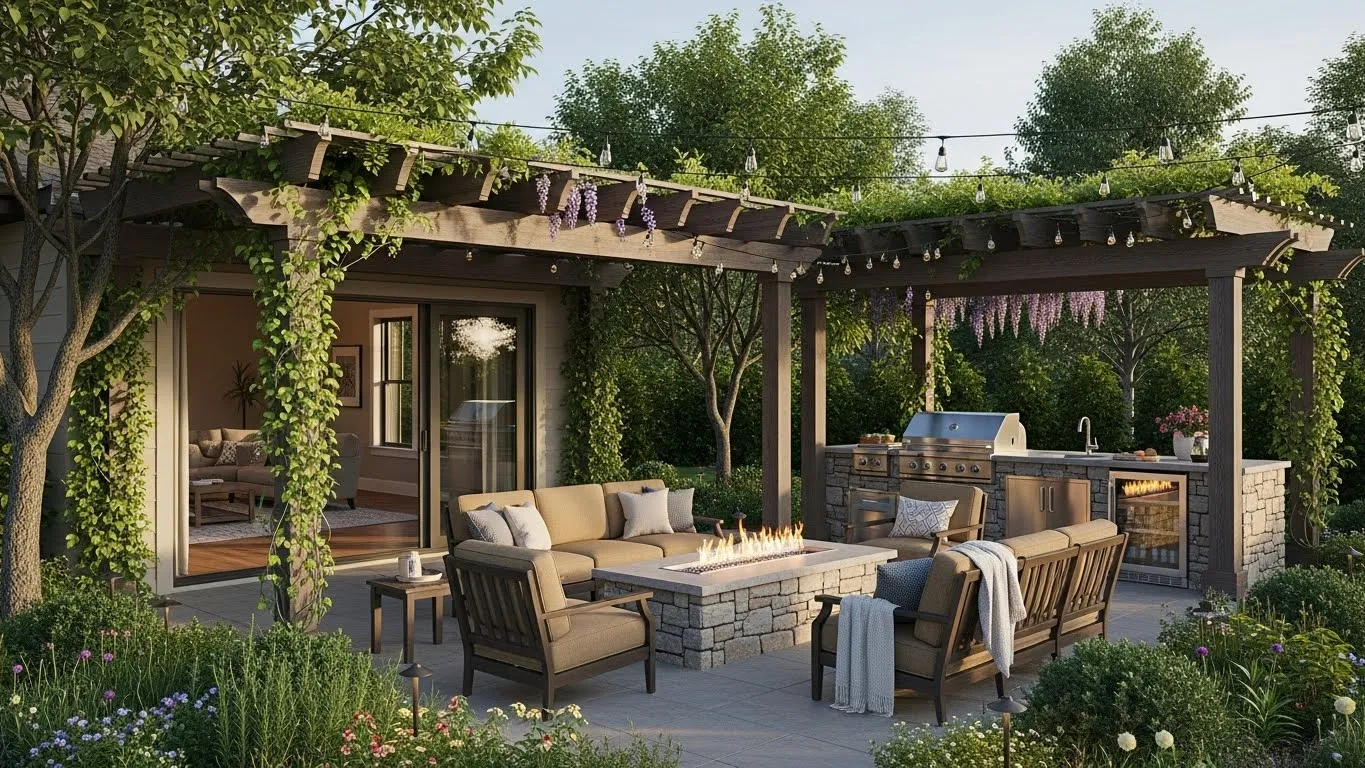
Selecting the right color palette is a foundational step in any successful home design project. It's more than just picking pretty shades; it's about creating an atmosphere, evoking emotions, and ensuring your space feels cohesive and inviting. A well-chosen color scheme can transform a house into a home that reflects your personality and lifestyle. This guide will walk you through the essentials of choosing the perfect color palette for your home design, ensuring your interiors are both beautiful and functional.
Key Points:
- Understand Color Theory Basics: Learn how colors interact and influence mood.
- Consider Your Space's Natural Light: Light significantly impacts how colors appear.
- Define Your Style and Mood: Your palette should align with your aesthetic and desired ambiance.
- Utilize the 60-30-10 Rule: A practical guide for balancing colors in a room.
- Test Samples Extensively: Never commit to a color without seeing it in your space.
Understanding the Impact of Color in Home Design
Colors possess an incredible power to influence our emotions and perceptions. They can make a room feel larger or smaller, warmer or cooler, more energetic or tranquil. Understanding these psychological effects is the first step in choosing the perfect color palette for your home design. For instance, blues and greens are often associated with calmness and serenity, making them ideal for bedrooms and bathrooms. Reds and oranges, on the other hand, are stimulating and energetic, best suited for living areas or dining rooms where conversation and activity are encouraged. Yellow can bring cheerfulness and optimism, while neutrals like beige, gray, and white offer a versatile foundation that can be accented with bolder hues.
The Psychology of Color
- Warm Colors (Reds, Oranges, Yellows): Evoke feelings of warmth, energy, passion, and happiness. They can make a room feel cozier.
- Cool Colors (Blues, Greens, Purples): Promote feelings of calm, peace, and relaxation. They can make a space feel larger and more expansive.
- Neutral Colors (Whites, Grays, Beiges, Browns): Provide a sense of balance, sophistication, and tranquility. They serve as excellent backdrops for other colors and decor.
How to Start Choosing Your Home Design Color Palette
Embarking on the process of choosing the perfect color palette for your home design can feel daunting, but a structured approach makes it manageable and even enjoyable. Begin by looking for inspiration – this could be anything from a favorite piece of art, a stunning landscape photo, a beloved outfit, or even a natural element. Your inspiration piece often contains a natural color harmony that can be translated into your interior.
Finding Your Inspiration
- Nature: Look at landscapes, sunsets, or the changing seasons for beautiful and harmonious color combinations.
- Art and Photography: A favorite painting or photograph can be a rich source of color ideas.
- Fashion: Observe color trends and combinations in clothing that appeal to you.
- Existing Decor: If you have a cherished rug, sofa, or accent piece, use its colors as a starting point.
Defining Your Personal Style and Desired Mood
Before diving into specific shades, take time to consider your personal aesthetic and the atmosphere you want to create in each room. Are you drawn to minimalist design, bohemian chic, modern industrial, or traditional elegance? The mood you wish to evoke is equally important. Do you want your living room to feel like a cozy retreat, your home office to be conducive to focus, or your dining room to be an inviting space for entertaining?
- Modern/Minimalist: Often leans towards crisp whites, grays, blacks, and muted natural tones.
- Bohemian: Embraces a richer, more eclectic mix of vibrant colors, earthy tones, and patterns.
- Traditional: Typically uses classic palettes, often incorporating deep reds, blues, greens, and creamy neutrals.
Practical Tools and Techniques for Palette Selection
Once you have a general direction, it's time to get practical. Several tools and techniques can help you refine your choices and ensure a balanced and aesthetically pleasing outcome when choosing the perfect color palette for your home design.
The 60-30-10 Rule: A Tried-and-True Method
This classic design principle provides a framework for balancing colors in a room.
- 60% Dominant Color: This is your primary color, typically used for the largest surfaces like walls and large furniture pieces. It sets the overall tone of the room.
- 30% Secondary Color: This color complements the dominant one and should be about half the intensity of the primary color. It's used for medium-sized elements like accent chairs, curtains, or rugs.
- 10% Accent Color: This is your boldest or most vibrant color, used sparingly to add pops of interest. Think throw pillows, decorative objects, or artwork.
This rule ensures visual harmony and prevents any single color from overwhelming the space.
Understanding Color Harmonies
Color harmonies are scientifically proven combinations that create pleasing aesthetics.
- Monochromatic: Uses variations of a single color, creating a sophisticated and serene look.
- Analogous: Employs colors that are next to each other on the color wheel (e.g., blue, blue-green, green). These palettes are usually calming and comfortable.
- Complementary: Uses colors directly opposite each other on the color wheel (e.g., blue and orange). These create high contrast and vibrancy, perfect for accenting.
- Triadic: Features three colors evenly spaced on the color wheel (e.g., red, yellow, blue). This offers bold contrast and can be very lively.
Considering the Impact of Light
The amount and type of natural and artificial light in a room profoundly affect how colors are perceived. A color that looks vibrant in a well-lit showroom might appear dull or even entirely different in a dimly lit space.
- North-Facing Rooms: Receive cooler, indirect light. Warmer colors can help balance this and make the space feel more inviting.
- South-Facing Rooms: Receive warm, direct sunlight for most of the day. Cooler colors can help temper the warmth and prevent the room from feeling too hot or overstimulated.
- East-Facing Rooms: Get warm morning light and cooler afternoon light.
- West-Facing Rooms: Get cooler morning light and warm, intense afternoon light.
Differentiated Value: Going Beyond the Basics
While understanding color theory and using rules like the 60-30-10 are crucial, truly mastering choosing the perfect color palette for your home design involves a deeper consideration of texture and finish. The sheen of paint, the weave of fabric, and the material of furniture all interact with color. A matte finish absorbs light, creating a soft, velvety appearance, while a satin or gloss finish reflects light, making colors appear brighter and more vibrant.
- Texture's Role: For example, a deep navy blue can feel entirely different on a plush velvet sofa compared to a smooth, lacquered cabinet. Incorporating varied textures adds depth and interest to your chosen palette, preventing it from feeling flat.
- The Power of Undersaturation: In recent years, designers have increasingly favored undersaturated or muted versions of popular colors. Think dusty rose instead of fuchsia, or sage green instead of emerald. This trend, often seen in contemporary design publications from 2024-2025, creates a more sophisticated and calming ambiance that’s easier to live with long-term.
Testing and Implementing Your Color Palette
The most crucial step in choosing the perfect color palette for your home design is to test your choices thoroughly before committing. This is where you see your vision come to life on a small scale.
Sample, Sample, Sample!
Never underestimate the power of paint samples.
- Paint Large Swatches: Buy sample pots of your shortlisted colors and paint large squares (at least 12x12 inches) directly onto your walls.
- Observe in Different Lights: View the swatches at different times of the day and under both natural and artificial light. Notice how the color changes.
- Consider Adjacent Colors: Place samples next to each other to see how they interact.
- Test on Multiple Surfaces: If you plan to use a color on trim or furniture, test it on those materials as well.
Applying Your Palette Beyond Walls
Remember that your color palette extends beyond paint. Consider how your furniture, textiles (rugs, curtains, throw pillows), artwork, and decorative accessories will fit into your scheme. A cohesive palette ensures that all these elements work together harmoniously, creating a unified and polished look. For example, if your dominant wall color is a soft gray, consider furniture in complementary or analogous tones, with accent pieces in a brighter hue.
Frequently Asked Questions About Choosing a Home Color Palette
Q1: How do I choose a color palette if I like too many colors? A1: Start with a dominant neutral base for your walls and larger furniture. Then, incorporate your favorite vibrant colors through smaller accents like throw pillows, artwork, or decorative objects. This allows you to enjoy a variety of colors without overwhelming the space.
Q2: What's the best way to make a small room feel larger with color? A2: Opt for light, cool colors on the walls and ceiling. Using a consistent color across walls, trim, and ceiling can also create a seamless look, making the space feel more expansive. Avoid dark, heavy colors that can make a room feel closed in.
Q3: How often should I update my home's color palette? A3: Color palettes don't need frequent updates unless you're seeking a significant change or a specific trend. A well-chosen, timeless palette can last for years. Trends are best incorporated through easily changeable decor items like cushions and artwork.
Q4: Can I mix different styles of color palettes in my home? A4: Yes, but with caution. It's best to maintain a consistent primary palette throughout the house to ensure flow. You can introduce variations or secondary palettes in specific rooms to give them a unique feel, but ensure they complement the overall scheme.
Conclusion: Your Path to a Perfectly Hued Home
Choosing the perfect color palette for your home design is a journey of self-discovery and creative expression. By understanding color psychology, utilizing practical tools like the 60-30-10 rule, considering the impact of light and texture, and most importantly, testing thoroughly, you can create a living space that is not only visually stunning but also deeply personal and inviting. Don't be afraid to experiment and trust your instincts. Your home is your sanctuary, and its colors should reflect your unique spirit and bring you joy every day.
Ready to dive deeper? Explore our articles on selecting complementary furniture pieces to enhance your chosen color scheme or discover how different lighting can dramatically alter room ambiance.
Share your favorite color palette combinations in the comments below, or subscribe to our newsletter for more interior design inspiration and tips!